




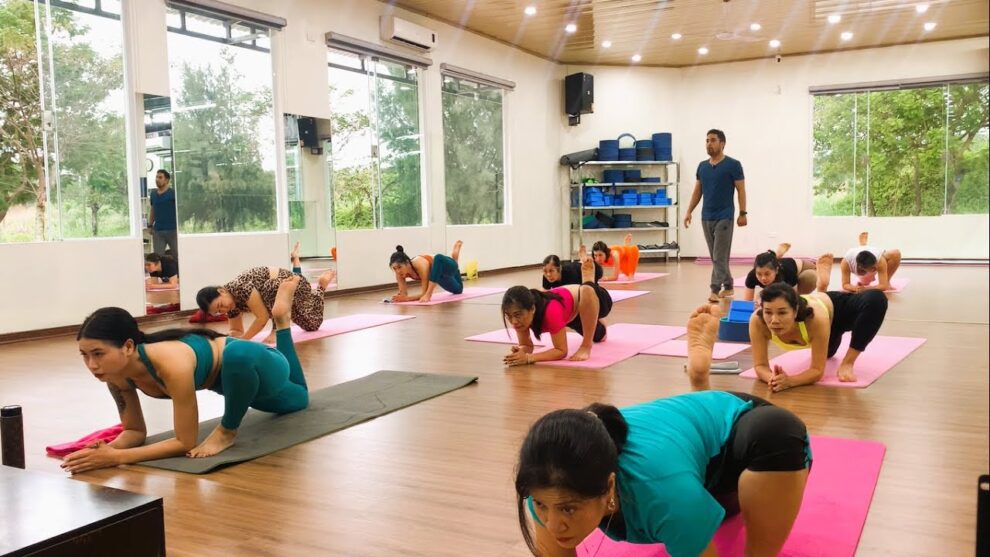


Yoga is a powerful practice for developing emotional balance and inner calm. Through breathing exercises, gentle body movements, and meditation, yoga helps relax the mind and reduce emotional tension. Many people experience anger, sadness, fear, or anxiety during difficult situations, and yoga teaches the body and mind how to respond more peacefully. Regular yoga practice can improve concentration, patience, and self-control while creating a sense of mental stability. Even a short daily session of yoga or quiet breathing can help people feel more emotionally strong and balanced.
Emotional balance is important because emotions affect thoughts, decisions, relationships, and physical health. A person who cannot manage emotions may experience stress, poor sleep, unhealthy habits, or conflicts with others. Long-term emotional imbalance can increase blood pressure, weaken the immune system, and reduce overall happiness. Balanced emotions help people think clearly, communicate better, and handle problems without losing control. Healthy emotional management also supports learning, work performance, and peaceful social relationships throughout life.
The word psychopathy refers to a serious personality condition in which a person may show limited empathy, emotional detachment, manipulative behavior, or difficulty understanding the feelings of others. Mental health conditions are complex and should be understood carefully and respectfully rather than through fear or stereotypes. Yoga is not a cure for psychopathy or other mental disorders, but calming activities such as yoga, mindfulness, counseling, healthy routines, and professional mental health support may help improve emotional awareness and stress management for many people. When emotional health is cared for early, individuals often develop healthier thinking patterns and stronger social connections.Yoga for emotional balance is an evidence-based mind-body practice that cultivates self-compassion, body awareness, and inner peace. A 2026 meta-analysis of 30 controlled studies (2,288 participants, ages 13-82) found that yoga interventions improved anxiety (ES = -0.52), stress (ES = -0.54), and depression (ES = -0.50), with older adults showing greater benefits.
Mechanisms of emotional regulation
A 2026 secondary analysis of a 12-week Kripalu yoga trial (75 stressed adults) found that increases in self-compassion were associated with improvements in both meaning in life (r = 0.52) and inner peace (r = 0.54, both ps < 0.001). Changes in interoceptive awareness (trusting bodily sensations) correlated with greater peace (r = 0.35, p = 0.003), and attention regulation was linked to both meaning (r = 0.37, p = 0.001) and peace (r = 0.34, p = 0.003). Yoga dosage was associated with increased self-compassion (r = 0.34, p = 0.04).
Research findings
- A 12-week RCT of 106 adolescents (yoga vs. control) demonstrated significant improvements in self-esteem (P < 0.001) and emotional stability (P = 0.001) following structured yoga practice, with effect sizes of Cohen’s d = 0.74 for self-esteem and d = 0.65 for emotional stability.
- A single 60-minute yoga session significantly increased all measured psychological resources in 144 regular practitioners: mindfulness, body consciousness, self-transcendence, spirituality, and social connectedness (all ps < 0.001). These increases were consistently associated with improved positive emotions (engagement, revitalisation, tranquillity) and reduced exhaustion.
How yoga promotes emotional balance
- Activates the parasympathetic nervous system via vagal tone, shifting from “fight-or-flight” to “rest-and-digest” mode
- Reduces cortisol and increases GABA (calming neurotransmitter), serotonin, and dopamine
- Enhances interoceptive awareness and self-compassion through mindful movement and breathwork
- Improves self-esteem and emotional stability, particularly in adolescents
For optimal emotional balance, practice 2-3 sessions per week (45-60 minutes), combining asanas, pranayama, and meditation. Even a single 60-minute session yields immediate improvements in psychological resources and positive emotions. A healthcare provider should be consulted before beginning any new exercise regimen.