






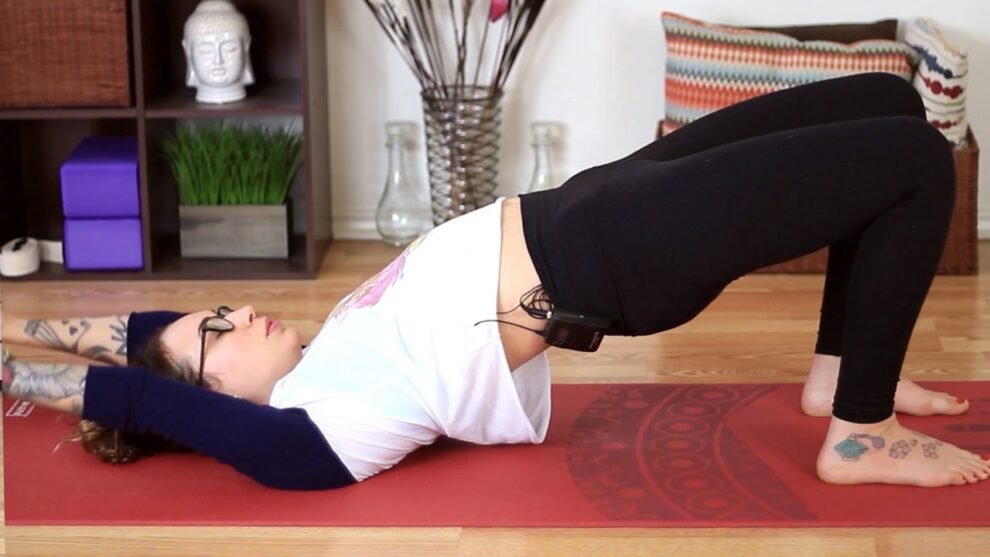


Yoga for pain relief exercises is a gentle and natural way to reduce discomfort in different parts of the body. Common types of pain that people experience include back pain, neck pain, shoulder pain, knee pain, joint pain, and muscle stiffness. Simple yoga movements such as stretching, slow twisting, and breathing-based relaxation help release tension in tight muscles and improve flexibility. These exercises also support better posture, which often reduces long-term pain caused by poor sitting or standing habits.
The effectiveness of yoga for pain relief comes from its ability to relax the body and improve circulation. When muscles receive better blood flow, they heal faster and feel less stiff. Yoga also strengthens core muscles, which helps support the spine and joints, reducing pressure on painful areas. Many people find that regular practice decreases their reliance on pain medication for mild to moderate discomfort. While results may vary from person to person, consistent practice often leads to noticeable improvement in mobility and comfort.
Yoga can be practiced safely by most people, including beginners, older adults, and those with sedentary lifestyles. It is important to start slowly and avoid forcing the body into painful positions. Gentle poses like child’s pose, cat-cow stretch, and seated forward bend are commonly used for pain relief. With regular practice, yoga not only reduces existing pain but also helps prevent future pain by improving strength, balance, and body awareness.Yoga for Pain Relief Exercises is an evidence-based mind-body practice that reduces pain intensity, improves physical function, and enhances emotional well-being across multiple pain conditions. A 2026 systematic review and meta-analysis of 7 randomised controlled trials found that yoga demonstrated statistically significant improvements in physical function (SMD = –1.20) and emotional well-being (SMD = –0.71) compared to active exercise interventions in adults with chronic low back pain. These effects became more consistent after removing one influential study, with emotional well-being benefits showing no heterogeneity (I² = 0%).
Key Research Findings
- Fibromyalgia Relief: A 4-week supervised medical yoga therapy program (5 days/week) significantly reduced pain status (P < 0.001) and tender point counts, with significant increases in lumbar flexion reported bilaterally. Improvements in corticomotor excitability parameters were also observed, indicating yoga’s effect on central pain-processing mechanisms.
- Text Neck Syndrome: A 6-week Thai yoga exercise intervention in 78 patients with text neck syndrome showed significant improvements: Numerical pain-rating scale decreased from 4.18±0.95 to 6.71±0.52 (p < 0.001), while the control group showed no change. Neck disability index decreased from 5.03±1.38 while controls remained at 12.03±1.98. The craniovertebral angle increased, and the rounded shoulder angle decreased to the normal range.
- Knee Osteoarthritis: A 2024 meta-analysis of 8 randomised controlled trials (756 patients) found that yoga significantly alleviated pain (SMD = -0.92, P = 0.01), reduced stiffness (SMD = -0.51, P = 0.01), and improved physical function (SMD = -0.53, P = 0.004) in knee osteoarthritis patients.
- Cost-Effectiveness: Medical yoga is a cost-effective early intervention for non-specific low back pain compared to exercise therapy and self-care advice, with an incremental cost per QALY of EUR 11,500 from a societal perspective.
How Yoga Relieves Pain
- Enhances physical function and mobility through structured postures and breathing techniques
- Reduces pain catastrophizing and improves pain self-efficacy, with yoga showing a substantial reduction in catastrophizing at 12 weeks, persisting through 52-week follow-up
- Activates endogenous pain modulation systems, including offset analgesia mechanisms, as demonstrated in fibromyalgia patients after 6 weeks of yogic intervention
- Addresses both physical factors (mobility, trunk strength, movement patterns) and psychological factors (stress reactivity, catastrophizing, pain acceptance, fear of movement) simultaneously
For optimal pain relief, practice 2-3 sessions per week (40-60 minutes), combining asanas, pranayama, and meditation. Tai chi (SMD = -0.95) and Pilates (MD = -1.14) showed the most significant analgesic effects, while yoga demonstrated distinctive benefits on psychological outcomes central to chronic pain persistence . A healthcare provider should be consulted before beginning any new exercise regimen, especially for individuals with pre-existing medical conditions.