





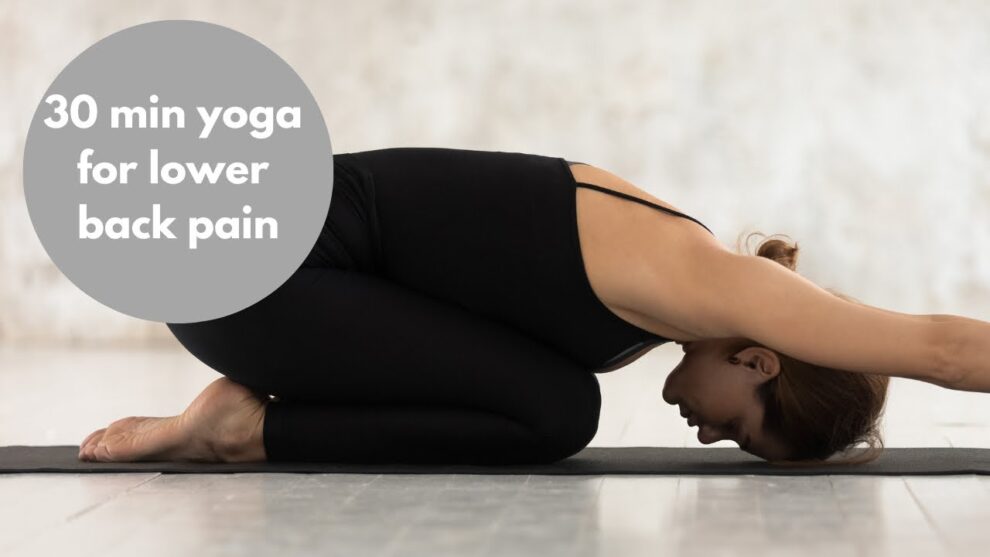


Yoga for lower back pain is a simple and natural way to reduce discomfort and improve spinal health. Gentle stretching and strengthening poses help relax tight muscles, improve blood circulation, and increase flexibility in the lower back area. Many common poses such as cat-cow stretch, child’s pose, and gentle forward bends can reduce stiffness and support better posture. Regular practice helps the spine stay aligned and reduces pressure on the lower back, which is often the main cause of pain.
There is scientific and medical support showing that yoga can help manage lower back pain. Studies in physiotherapy and rehabilitation fields have found that regular yoga practice may reduce chronic pain, improve mobility, and decrease the need for pain medication in some people. Doctors and health experts often recommend yoga as a supportive therapy because it strengthens core muscles and improves body awareness. While yoga is not a replacement for medical treatment in serious cases, it is widely accepted as a helpful complementary practice for back pain relief.
Yoga is also very easy to practice, even for beginners. It does not require heavy equipment or a gym, and many exercises can be done at home on a mat or even a soft floor. People can start with just 10–15 minutes a day and gradually increase the duration as comfort improves. The key is slow movement, proper breathing, and avoiding strain. With consistency, yoga becomes a safe and accessible habit that supports long-term back health and overall body comfort.Yoga for lower back pain is an evidence-based mind-body practice that reduces pain intensity and improves functional disability. A 2025 systematic review and meta-analysis of 35 randomised controlled trials (2,132 participants) found that exercise interventions significantly reduce pain compared to usual care (SMD = -0.81, 95% CI -0.91 to -0.72, P < 0.001). Yoga demonstrated a significant improvement in functional disability, with an Oswestry Disability Index reduction of MD = -3.41 (P = 0.002). A large U.S. trial of 228 adults found that 12 weekly 75-minute yoga classes significantly improved back-related function and reduced pain symptoms, with benefits lasting at least 6 months.
Research Findings
- Muscle endurance improvement (6 weeks, 36 patients with chronic low back pain): The yoga group showed a significant increase in core muscle endurance (prone plank hold time increased by 39 seconds, p < 0.05) compared with progressive postural control exercise (21.78 seconds) and controls (5.2 seconds). The yoga group also demonstrated the greatest reduction in pain scores.
- Physical function vs exercise comparators: Yoga showed a significant improvement in physical function (SMD = -1.20, 95% CI: -1.64 to -0.77; I² = 31%).
- Emotional well-being vs exercise: Yoga improved emotional outcomes (SMD = -0.71, 95% CI -1.26 to -0.16; I² = 75%), with the effects becoming more consistent after removing one influential study (I² = 0%).
How Yoga Reduces Lower Back Pain
- Strengthens core muscles (transversus abdominis, multifidus, erector spinae) that stabilise the lumbar spine
- Improves spinal flexibility and mobility through gentle stretching
- Reduces pain catastrophizing and enhances pain self-efficacy through mindfulness
- Lowers stress hormones (cortisol) and anxiety that perpetuate chronic pain
- Activates the parasympathetic nervous system, promoting relaxation and recovery
Poses for Lower Back Pain
- Cat-Cow: Improves spinal mobility and releases back tension
- Child’s Pose: Gently stretches the lower back and promotes relaxation
- Downward-Facing Dog: Lengthens spine and strengthens supporting muscles
- Cobra Pose: Strengthens spinal extensors and opens the chest
- Supine Twist: Releases spinal tension through gentle rotation
- Bridge Pose: Strengthens glutes and lower back
For optimal results, practice 2-3 sessions per week (45-60 minutes) for at least 6 months. As international guidelines recommend, exercise therapy is consistently recommended as first-line treatment for chronic non-specific LBP (National Guideline C. National Institute for Health and Care Excellence: Guidelines, 2016; Qaseem et al., 2017). Always consult a healthcare provider before beginning any new exercise regimen for back pain.