






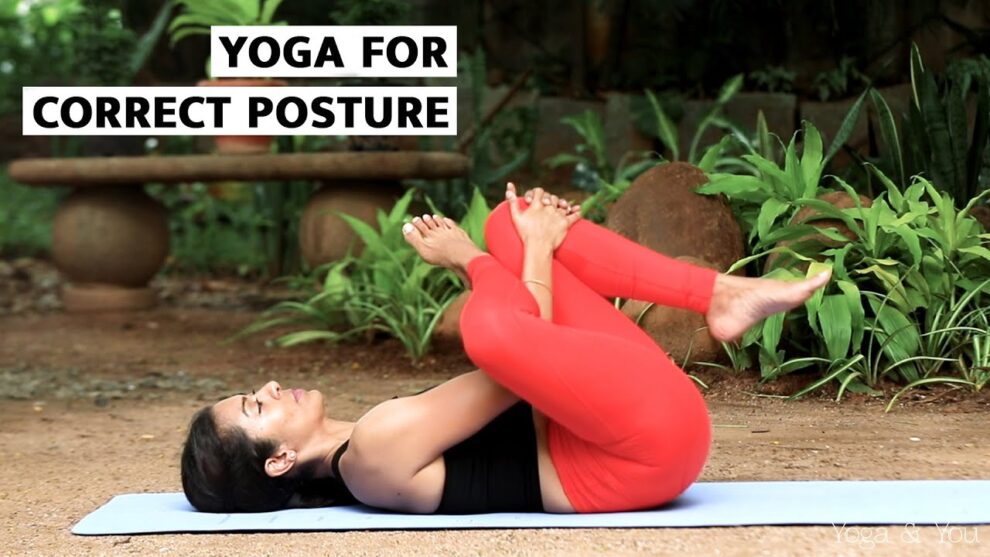


Yoga for Posture Correction uses specific asanas and mindful alignment to reverse postural imbalances. Research demonstrates that regular yoga practice can correct common spinal deformities such as kyphosis (hunchback), lordosis (swayback), and scoliosis (lateral curvature). A 3‑month yoga intervention in 200 adolescents (10‑15 years) showed significant improvements in five out of eight posture displacement parameters, including anterior translations, posterior angulations, and lateral translations (p the intervention group showed significantly correlated with better emotion regulation (ERQ-CR, p = 0.042; ERQ-ES, p = 0.002) and lower stress levels.
Key research findings
- A 2021 study of adolescents with idiopathic scoliosis found that isometric yoga poses (side plank, half‑moon) performed daily for 5‑6 months produced an average improvement of 4% per month, with many participants achieving a 48% curve reduction after 12 months. Side plank is effective for lumbar curves (convex side down); half‑moon pose targets thoracic curves (convex ribs down) .
- An 8‑week structured yoga program (1 hour/week) in 40 students significantly improved static balance and multiple components of dynamic balance, including right posterolateral and left composite reach directions (p < 0.05).
- A single session of slow Surya Namaskar (10 rounds, 10‑sec holds per asana) in 100 children improved trunk flexion from 5.37 cm to 6.17 cm (p < 0.00001), confirming immediate postural benefits.
How yoga corrects posture
- Sustained isometric holds strengthen the muscle groups on the convex (weaker) side of spinal curves, gradually reducing imbalances (side plank for lumbar curves, half‑moon for thoracic curves).
- The repetitive stretching and strengthening in asanas lengthen connective tissues and improve viscoelastic muscle properties (stress relaxation and creep), increasing range of motion and reducing compensatory malalignment.
- Better posture correlates with a lower body mass index, improved cardiopulmonary fitness (Harvard Step Test, p = 0.007), and reduced somatic symptoms (PHQ, p = 0.006).
For optimal correction, practice 2‑3 sessions per week (45‑60 minutes), focusing on sustained holds in isometric poses tailored to your specific postural deviation (side plank for scoliosis, Cat‑Cow and Bridge for kyphosis/lordosis). As Dr Loren Fishman notes, yoga provides a “simple, almost free way to reverse postural imbalances in a few minutes a day”. A healthcare provider should be consulted before beginning any new exercise regimen, especially for diagnosed spinal conditions.