




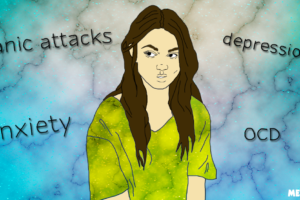
The relationship between OCD and depression represents one of the most common and clinically significant comorbidities in mental health. Major depressive...
Latest Articles

ADHD and social anxiety frequently co-occur, representing one of the most common yet often overlooked comorbidities in mental health. Research consistently...
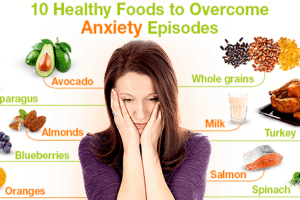
Anxiety after eating refers to the experience of heightened worry, fear, or panic that occurs during or following a meal. This phenomenon is more common than...

Postpartum OCD (perinatal OCD) is a treatable yet often under-recognised mental health condition characterised by the onset or exacerbation of obsessive...

A phobia is an intense, irrational, and persistent fear of a specific object, situation, or activity that poses little to no actual danger. It is classified as...

The phobia of being alone, clinically known as autophobia or monophobia, is an intense and irrational fear of isolation, loneliness, or being by oneself. This...

Phone phobia is an umbrella term that describes an intense and irrational fear or anxiety associated with mobile phones. This can manifest in two primary ways...

Paranoid anxiety is a condition where intense feelings of anxiety intertwine with paranoid thoughts, creating a state of persistent fear and suspicion. While...

Anxiety fatigue is a pervasive and persistent exhaustion that results from living in a chronic state of heightened mental and physical arousal. It goes beyond...

Bipolar anxiety refers to the frequent and complex co-occurrence of bipolar disorder (BD) and anxiety disorders. It is considered a rule rather than an...