





Psychological distance refers to the perceived space between oneself and events, objects, people, or experiences. It is not physical distance, but a mental separation that influences how individuals think, feel, and respond. By creating emotional or cognitive space from immediate experiences, psychological distance allows for clearer judgment and balanced decision-making.
The concept of psychological distance is closely associated with Construal Level Theory, developed by Yaacov Trope and Nira Liberman. According to this theory, events perceived as distant—whether in time, space, social connection, or likelihood—are interpreted more abstractly, while psychologically close events are processed more concretely and emotionally.
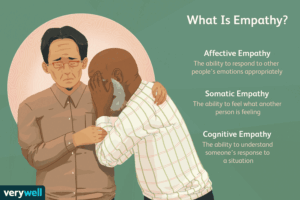
Psychological distance can be beneficial in emotional regulation. When individuals step back from intense experiences, they reduce impulsive reactions and gain a broader perspective. Techniques such as self-distancing (viewing a situation from a third-person perspective) help manage anger, anxiety, or disappointment. However, excessive distancing may lead to emotional detachment, avoidance, or reduced empathy in relationships.
Psychological distance is linked to emotional regulation, cognitive processing, decision-making, resilience, mindfulness, and stress management. It is particularly relevant in conflict resolution, leadership, trauma recovery, and long-term goal planning.
Psychological distance serves as a powerful cognitive tool for managing emotions and gaining perspective. When applied appropriately, it enhances clarity, reduces emotional intensity, and promotes thoughtful responses. Maintaining a balanced level of psychological distance allows individuals to remain emotionally aware while avoiding impulsive or overwhelming reactions.