



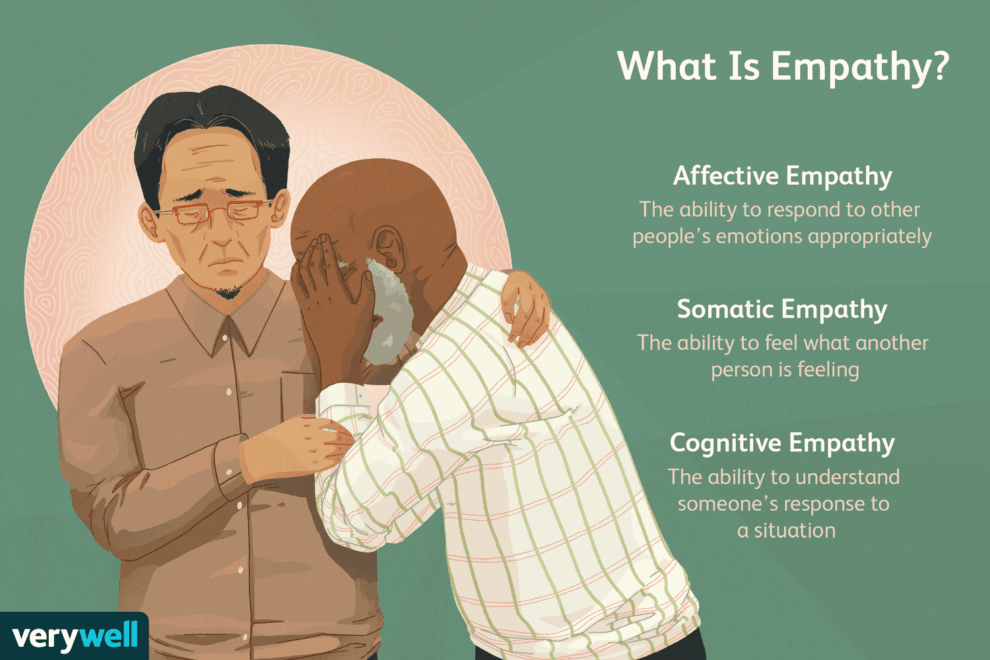


An empath is a person with a highly attuned ability to sense, absorb, and understand the emotions and often the physical sensations of others, frequently taking them on as if they were their own . While empathy—the capacity to share and understand another’s feelings—is a common human trait, empaths experience this connection with extraordinary depth and intensity, sometimes feeling overwhelmed by the emotional energy around them without any conscious effort .
The science behind this phenomenon may be linked to mirror neurons, specialized brain cells that fire both when we perform an action and when we observe the same action in another person . Researchers believe that empaths may have a more active mirror neuron system, which allows them to literally “mirror” the emotional and physical states of those around them .
Types of Empaths
- Emotional Empath: Highly sensitive to others’ feelings, experiencing joy when others are joyful and distress when others are distressed .
- Physical Empath: Tuned into others’ physical pain and ailments, sometimes even manifesting the same symptoms in their own body .
- Intuitive Empath: Exceptionally perceptive and intuitive, often described as being able to read minds or sense unspoken truths .
Key Signs of an Empath
- Often told they are great listeners, with people naturally confiding in them.
- Possess very strong intuition and can quickly detect dishonesty or inauthenticity .
- Frequently feel overwhelmed, anxious, or exhausted in crowded places like malls or concerts .
- Struggle to set emotional boundaries, often prioritizing others’ needs and feelings over their own .
- Experience physical reactions to emotionally charged media or events .
Benefits and Challenges
Being an empath carries both significant strengths and potential vulnerabilities. On the positive side, empaths are naturally caring, compassionate, and capable of forming incredibly deep, meaningful connections . They are often drawn to healing professions such as therapy, nursing, or teaching . However, the porous nature of their emotional boundaries can lead to compassion fatigue, burnout, and difficulty distinguishing their own feelings from those they have absorbed from others . For empaths, rigorous self-care, learning to set firm boundaries, and spending time alone to recharge are not luxuries but necessities for maintaining mental health .