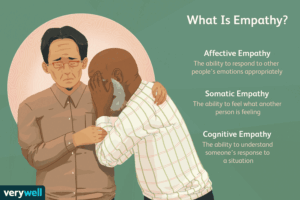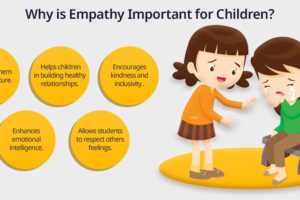




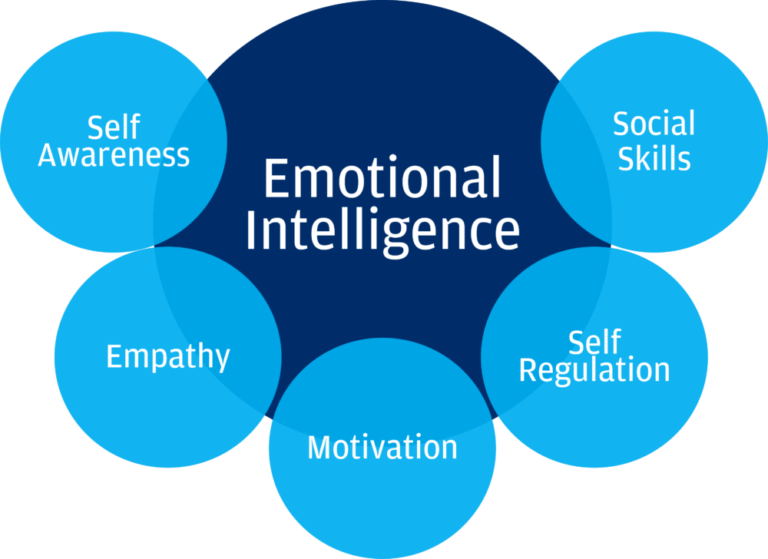


Emotional intelligence refers to the ability to recognize, understand, and manage one’s own emotions while also being aware of the emotions of others. It plays a crucial role in communication, decision-making, leadership, and personal relationships. People with strong emotional intelligence can remain calm under pressure, respond thoughtfully instead of reacting impulsively, and build stronger connections with those around them. In professional environments, emotional intelligence helps individuals understand team dynamics and communicate with empathy and respect.
One of the major benefits of emotional intelligence is improved relationships. Individuals who understand emotions can communicate more clearly, listen actively, and resolve conflicts more effectively. Emotional intelligence also supports better leadership because emotionally intelligent leaders understand the needs and motivations of their team members. Additionally, it contributes to reduced stress, stronger teamwork, higher productivity, and better problem-solving abilities. In customer service and healthcare environments, emotional intelligence helps professionals respond to others with patience and compassion.
Another important advantage of emotional intelligence is better self-management. People with high emotional intelligence can control frustration, anger, or anxiety and maintain a balanced mindset in difficult situations. This ability improves decision-making because emotions are recognized and managed rather than ignored or allowed to dominate behavior. Over time, emotional intelligence contributes to personal growth, stronger professional performance, and improved mental well-being.
Achieving emotional intelligence requires continuous learning and practice. It begins with self-awareness—observing one’s emotions and understanding what triggers them. Developing active listening skills, practicing empathy, and reflecting on interactions with others are also important steps. Activities such as journaling, mindfulness exercises, leadership training, and communication workshops can help strengthen emotional intelligence. With consistent effort and reflection, individuals can gradually build emotional intelligence and apply it effectively in both personal and professional life.