




Yoga for anxiety management is a gentle and effective way to calm the mind and reduce feelings of worry or fear. Through slow breathing, mindful movement, and relaxation techniques, yoga helps activate the body’s natural relaxation response. Practices such as deep breathing (pranayama), child’s pose, and meditation can lower stress hormones and bring a sense of inner peace. Regular practice helps quiet racing thoughts and allows the mind to focus on the present moment instead of constant overthinking.
Yoga is considered effective for managing anxiety because it supports both the body and mind at the same time. Research in mental health and wellness shows that yoga can help reduce symptoms of anxiety, improve sleep, and enhance emotional stability. It works by calming the nervous system, slowing the heart rate, and improving oxygen flow to the brain. While yoga is not a replacement for medical or psychological treatment in severe cases, it is widely used as a supportive method to improve emotional well-being and stress control.
Yoga for anxiety can be practiced by almost anyone, including students, working adults, and older people. It does not require high fitness levels or advanced skills, making it suitable for beginners. Even a short daily routine of 10–20 minutes can make a noticeable difference in mood and mental clarity. People can start with simple breathing exercises and gentle stretching, gradually building confidence and consistency. With regular practice, yoga becomes a powerful tool for maintaining calmness, emotional balance, and a healthier mindset.Yoga for anxiety management is an evidence-based practice that significantly reduces anxiety symptoms by regulating the nervous system, lowering stress hormones, and enhancing emotional resilience. A 2026 meta-analysis of 30 controlled studies (2,288 participants, ages 13-82) found that yoga interventions reliably improved anxiety (ES =- 0.52), stress (ES = -0.54), and depression (ES = -0.50). The analysis revealed that age is a significant moderator, with older adults experiencing greater anxiety reduction benefits from yoga practice.
Research Findings
- Medical students (8-week RCT, 120 participants): A structured yoga protocol (Surya Namaskara, Yoga Nidra, OM meditation, daily 45-min sessions) produced large treatment effects: state anxiety (Cohen’s d = -0.86, p < 0.001), trait anxiety (d = -0.76, p < 0.001), and perceived stress (rpb = -0.301, p = 0.004). Significant physiological improvements included reduced systolic blood pressure (rpb = -0.56, p < 0.001) and pulse rate (rpb = -0.40, p < 0.001).
- Asthma patients (8-week RCT, 191 participants): Adjunct yoga therapy (thrice weekly) significantly improved Beck Anxiety Inventory (BAI) scores (P < 0.05) and sleep quality (PSQI) compared to standard care alone.
- Healthcare workers (1-week RCT, 68 participants): The combined Yoga+Gita intervention reduced anxiety immediately post-intervention (p = 0.009), with 41.2% of participants achieving a clinically meaningful (≥4-point) GAD-7 reduction at 45-day follow-up.
- Laughter yoga (4 weeks): An ongoing RCT involving 72 nursing students is investigating the effects of laughter yoga (twice weekly for 4 weeks) on exam anxiety and spirituality.
How Yoga Manages Anxiety
- Activates the parasympathetic nervous system via vagal tone, shifting from “fight-or-flight” to “rest-and-digest” mode
- Reduces cortisol and increases GABA (calming neurotransmitter), serotonin, and dopamine
- Lowers inflammatory markers (IL-6, periostin) associated with stress-related pathophysiology
- Improves heart rate variability, indicating better autonomic balance and emotional regulation capacity
Key Poses for Anxiety Management
- Child’s Pose (Balasana): Gentle forward bend, grounding the nervous system; hold 2-4 minutes
- Downward-Facing Dog (Adho Mukha Svanasana): Increases blood flow to the brain while calming the mind; hold 30-60 seconds
- Legs-Up-the-Wall (Viparita Karani): Promotes circulation and parasympathetic activation; hold 3-5 minutes
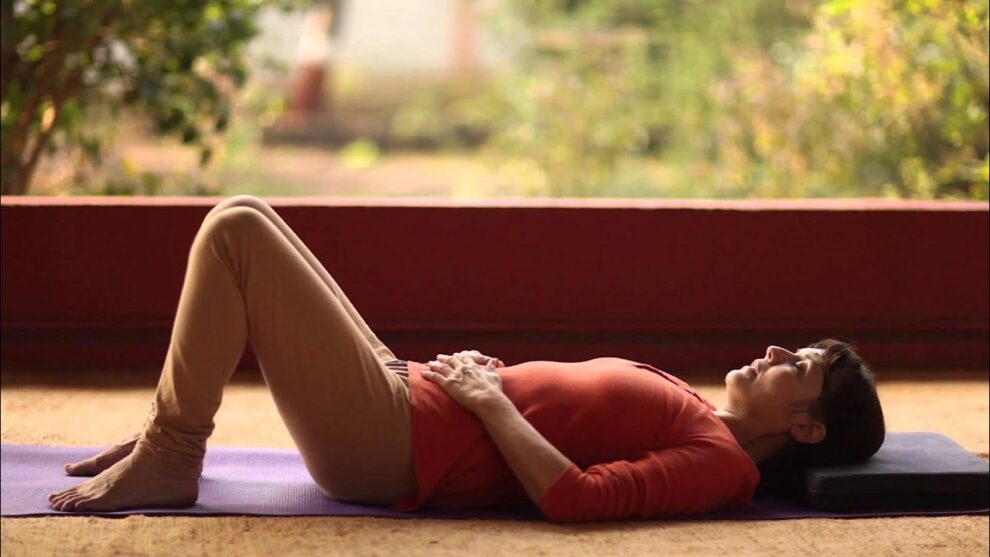
- Corpse Pose (Savasana): Deep relaxation and integration; hold 5-10 minutes
- Nadi Shodhana (Alternate Nostril Breathing): Balances the nervous system and reduces mental chatter; practice 3-5 minutes
For optimal anxiety management, practice 2-5 sessions weekly (30-60 minutes) combining asanas, pranayama, and meditation. The research consistently supports yoga as a safe, low-cost, non-pharmacological intervention for anxiety, with effects comparable to other evidence-based approaches. A healthcare provider should be consulted before beginning any new exercise regimen, especially for individuals with pre-existing mental health conditions.