

Anxiety after drinking, known as “hangxiety,” involves intense worry, dread, and panic as alcohol effects wear off. Symptoms include racing thoughts, shame, irritability, and emotional instability. This affects up to 12% of people and represents a genuine neurochemical event...
Layout A (with pagination)
The relationship between caffeine and anxiety is complex and dose-dependent. Caffeine is the world’s most widely consumed psychoactive substance, acting as a stimulant that promotes alertness by blocking adenosine, a neurotransmitter responsible for relaxation. However, this same...
Relieving stress involves using intentional techniques to calm the body’s “fight or flight” response and restore nervous system balance. Chronic stress has serious consequences, including increased risk of mild cognitive impairment and Alzheimer’s disease. Learning...
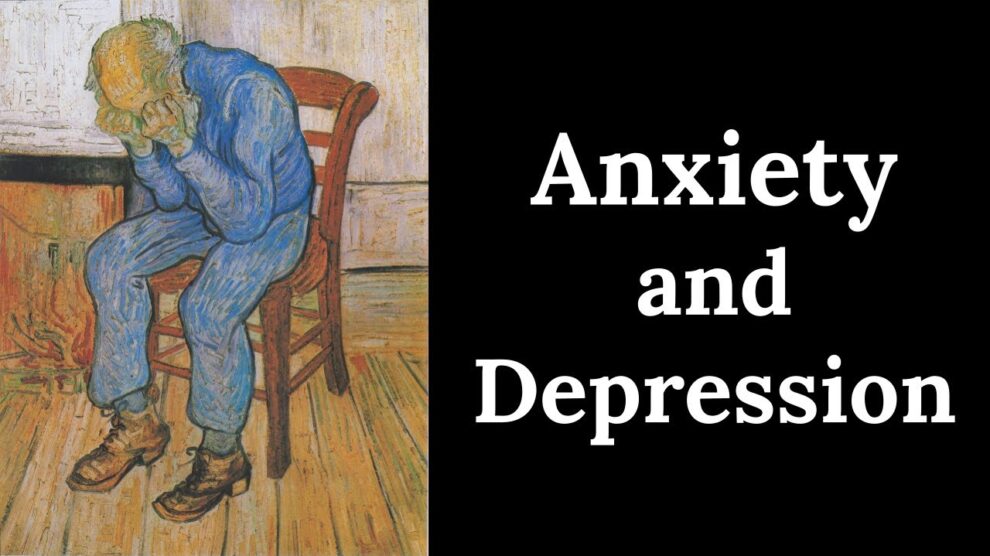
The combination of ADHD, depression, and anxiety is one of the most common and complex presentations in mental health. Research indicates that comorbidity is the rule rather than the exception for adults with ADHD, with an estimated 60% to 80% of individuals having at least one other...
Extreme anxiety refers to symptom intensity where the body’s stress response becomes overwhelming and exceeds healthy limits. It is not a formal diagnosis but a level of impairment that significantly disrupts daily functioning. Unlike normal anxiety, which can motivate action...