




Relaxation techniques for stress are structured methods designed to calm the mind, reduce physical tension, and restore emotional balance. These techniques activate the body’s natural relaxation response, helping individuals manage pressure more effectively.
Stress pioneer Hans Selye explained that prolonged stress keeps the body in a continuous state of alertness, which can negatively impact overall health. Relaxation practices counteract this effect by lowering physiological arousal and stabilising emotional reactions.
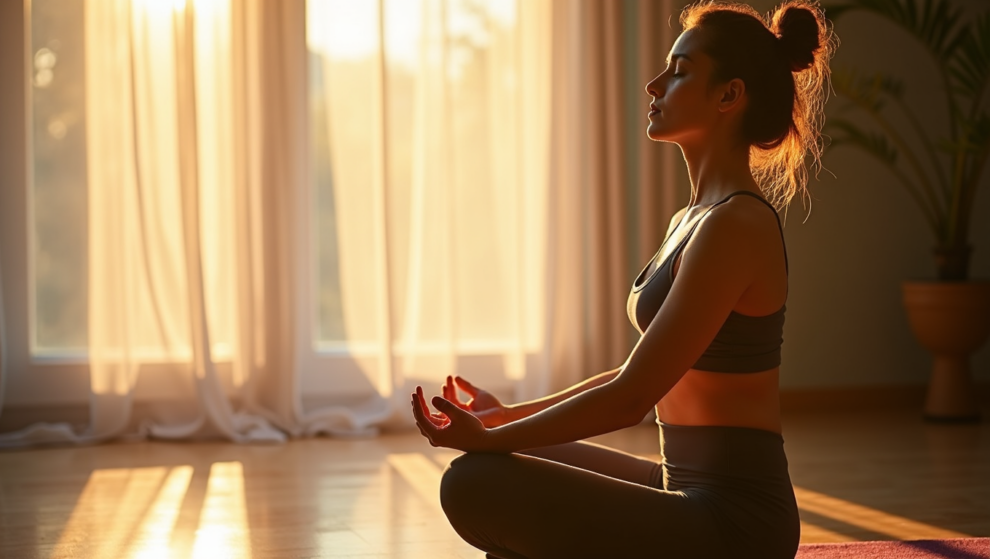
Psychologist Herbert Benson introduced the concept of the “relaxation response,” highlighting how simple techniques can reduce stress-related symptoms. Common relaxation methods include progressive muscle relaxation, guided imagery visualisation, deep diaphragmatic breathing, and mindfulness meditation. These approaches help slow heart rate, ease muscle tension, and improve mental clarity.
Structured activities such as guided relaxation workshops, yoga and meditation classes, stress reduction seminars, and wellness therapy sessions provide supportive environments for learning and practising these techniques consistently. Such techniques effect on anxiety reduction, emotional regulation, resilience building, mindfulness practices, holistic wellness, and mental health promotion.
Relaxation techniques offer effective and accessible tools for managing stress. Through consistent practice and structured guidance, individuals can reduce tension, enhance emotional stability, and maintain long-term psychological well-being.