



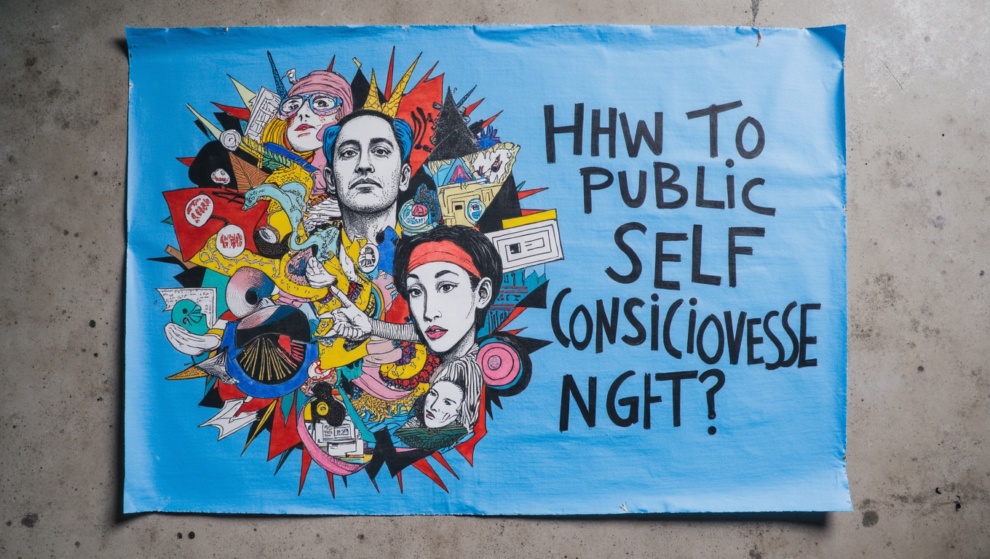


Public self-consciousness refers to an individual’s awareness of how they are perceived by others. It involves concern about appearance, behavior, and social impression. While a moderate level of public self-consciousness helps individuals behave appropriately in social settings, excessive concern can lead to anxiety and reduced confidence.
Public self-consciousness develops as individuals become socially aware and begin to evaluate themselves through others’ perspectives. In a balanced form, it encourages politeness, social sensitivity, and adherence to social norms. It helps people present themselves effectively in academic, professional, and public environments.
However, when heightened, it can create fear of criticism, embarrassment, or rejection. Individuals may overanalyze their words, appearance, or actions, leading to social anxiety and avoidance behaviors. Constant comparison, especially in the digital age, can intensify insecurities and negatively affect self-esteem.
Public self-consciousness is closely related to social anxiety, self-esteem, body image, impression management, and identity formation. It is particularly significant during adolescence and in contexts such as public speaking, leadership, and social media engagement. Cultural expectations and societal standards also influence its intensity.
Public self-consciousness plays an important role in social functioning when kept in balance. It promotes awareness and appropriate behavior, but excessive concern about others’ opinions can hinder confidence and emotional well-being. Developing self-acceptance and realistic thinking helps maintain a healthy level of public self-consciousness.