






Emotional intelligence refers to the ability to recognize, understand, manage, and effectively use emotions in oneself and others. It plays a crucial role in personal success, leadership, relationships, and mental well-being. Unlike intellectual intelligence (IQ), emotional intelligence focuses on emotional awareness and interpersonal skills.
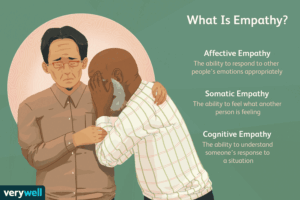
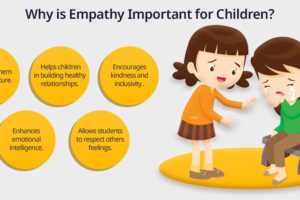
The concept of emotional intelligence was popularised by Daniel Goleman, who identified five key components: self-awareness, self-regulation, motivation, empathy, and social skills. Self-awareness allows individuals to recognise their emotions and understand their impact. Self-regulation helps manage impulses and maintain emotional balance. Motivation drives persistence and goal achievement. Empathy enables understanding others’ feelings, while social skills support effective communication and relationship-building.
Research suggests that individuals with high emotional intelligence tend to perform better in leadership roles, manage stress effectively, and maintain healthier relationships. In contrast, low emotional intelligence may lead to poor emotional control, conflicts, and difficulty handling pressure. Emotional intelligence can be developed through mindfulness, reflective practices, and improved communication skills.
Emotional intelligence is closely related to self-awareness, emotional balance, leadership development, conflict resolution, stress management, and mental health. It is especially important in workplace environments, education, and interpersonal relationships.
Emotional intelligence is a vital life skill that enhances personal growth, professional success, and social harmony. By understanding and regulating emotions effectively, individuals can improve decision-making, strengthen relationships, and maintain psychological well-being.