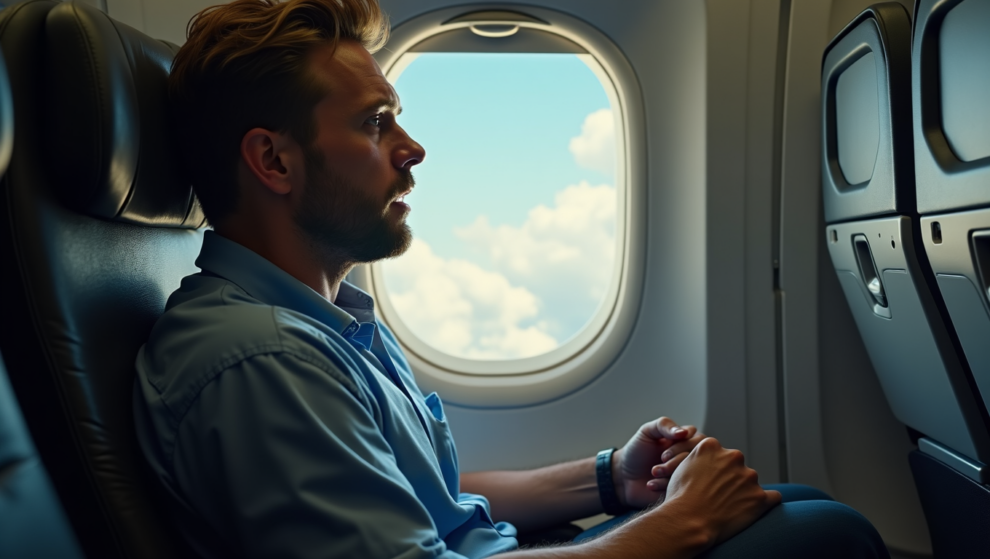


Flying anxiety, clinically known as aerophobia, is an intense and irrational fear of flying in an aeroplane. It is a situational-specific phobia affecting an estimated 25 million adults in the United States alone. Prevalence studies suggest it impacts between 2.5% and 40% of individuals in industrialised countries, making it one of the most common phobias.
The causes are multifaceted. Fearful flyers often fall into three categories: those with a traumatic flight experience, those who inherited anxiety from others, and those whose pre-existing fears—claustrophobia, acrophobia, or panic disorder—manifest while flying. Symptoms include rapid heartbeat, sweating, trembling, nausea, and intrusive catastrophic thoughts about crashing or losing control.
What makes flying anxiety compelling is its resistance to logic. Despite MIT research showing the death risk from 2018 to 2022 was just 1 in 13.7 million boardings, knowledge alone rarely dispels the fear. The condition persists due to lack of control, confined environments, and media coverage triggering vicarious traumatisation. Studies link it to past stressful events and neurological sensitisation.
Aerophobia is highly treatable through Cognitive Behavioral Therapy (CBT), exposure therapy, and relaxation techniques. With proper help, the vast majority of people can reclaim their freedom to travel.