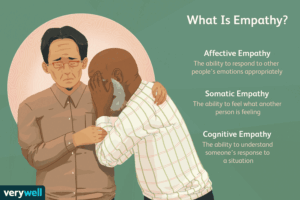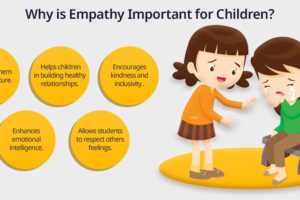






Being empathetic means actively practising understanding and sharing another person’s feelings without losing your own sense of self. It is not a passive trait but a conscious choice—a skill that requires intentional effort, vulnerability, and presence. As Brené Brown explains, “Empathy is a choice, and it’s a vulnerable choice. In order to connect with you, I have to connect with something in myself that knows that feeling.”
What Being Empathetic Looks Like
- Listening to understand, not to reply: Giving full attention without planning your response or offering unsolicited advice
- Validating emotions: Saying “That sounds really hard” rather than “At least it’s not worse” or “You should look on the bright side”
- Staying present: Sitting with someone in their pain without rushing to fix it—because sometimes there is no fix, only presence
- Withholding judgment: Recognising that another person’s perspective is their truth, even when it differs from your own
Being Empathetic vs. Being Sympathetic
Sympathy says “I’m sorry you’re in that hole” from the edge. Empathy climbs down into the hole and says, “I know what it’s like down here, and you’re not alone.” The difference is profound: sympathy observes suffering; empathy shares it.
Common Empathy Misses
- The “at least” response: “At least you have other friends”, minimises genuine pain
- The fix-it response: Rushing to problem-solve when someone just needs to be heard
- The one-up response: “Oh, you think that’s bad? Let me tell you what happened to me…”
The Paradox of Being Empathetic
Being empathetic requires both connection and boundaries. You must feel with someone without being consumed by their emotions. This balance is what allows healthcare workers, therapists, and caregivers to offer compassion without burning out. As one researcher notes, “The goal is not to stop being empathic, but to become an empowered empath—one who can feel deeply without being depleted.”
Being empathetic transforms how you move through the world. It turns strangers into neighbours, conflicts into conversations, and suffering into shared humanity. It is not about having the right words but about offering the right presence. As Rogers said, “When someone really hears you without passing judgment on you, without trying to take responsibility for you, without trying to mould you, it feels damn good.” That is what being empathetic creates—the experience of being truly heard.