



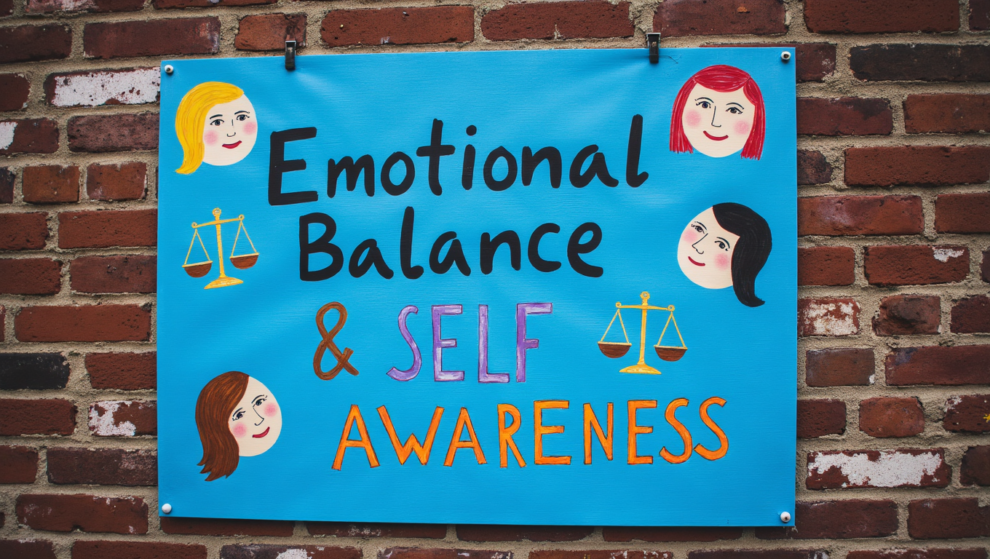


Emotional balance and self-awareness are essential components of psychological well-being. Self-awareness involves recognizing and understanding one’s emotions, thoughts, and behavioral patterns, while emotional balance refers to the ability to manage and regulate those emotions effectively. Together, they form the foundation for stable mental health and healthy interpersonal relationships.
Self-awareness enables individuals to identify their emotional triggers, strengths, and weaknesses. By understanding internal experiences, people can respond thoughtfully rather than react impulsively. Emotional balance, on the other hand, involves maintaining control over intense feelings such as anger, fear, or sadness, allowing individuals to remain calm and rational during challenges.
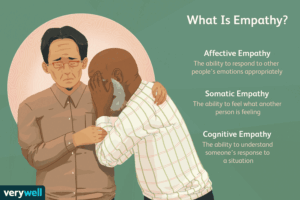
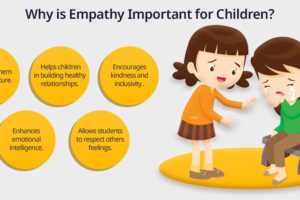
When combined, these qualities improve decision-making, communication, and resilience. They reduce stress, prevent emotional outbursts, and enhance empathy. However, a lack of self-awareness may lead to emotional instability, poor judgment, and strained relationships. Developing mindfulness, reflective practices, and healthy coping strategies strengthens both emotional balance and self-understanding.
This topic is closely connected to emotional intelligence, stress management, mental health, leadership development, and interpersonal communication. It is particularly relevant in adolescence, professional growth, and conflict resolution. Practices such as mindfulness, self-reflection, and cognitive behavioural techniques support the development of these qualities.
Emotional balance and self-awareness work together to promote psychological stability and personal growth. By understanding and regulating emotions effectively, individuals can navigate life’s challenges with confidence and clarity. Cultivating these skills leads to stronger relationships, improved mental health, and greater overall well-being.