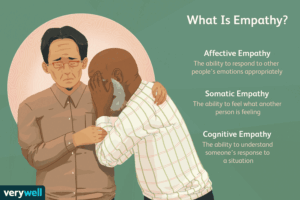






Empathy in management improves workflow by creating a work environment where employees feel understood, respected, and supported. When managers take time to listen to their team’s concerns and challenges, it reduces stress and builds trust. This encourages employees to communicate openly about problems early, instead of letting issues grow. As a result, tasks are completed more smoothly, misunderstandings are reduced, and coordination between team members becomes more efficient.
Empathetic management also boosts productivity by aligning work with people’s strengths and emotional needs. When employees feel valued, they become more engaged and motivated, which directly improves performance and consistency. Managers who show empathy are better at resolving conflicts, adapting workloads during difficult times, and supporting collaboration. Over time, this leads to a healthier workflow, stronger teamwork, and a more stable and productive organization.Empathy in management is the practice of understanding and responding to employees’ perspectives, challenges, and emotions while maintaining organisational focus. It balances human connection with professional responsibility. Empathetic managers create environments where people feel valued and motivated. As management expert Peter Drucker observed, “Management is doing things right; leadership is doing the right things.” Empathy helps managers do both.
Empathetic managers practice active listening during one-on-ones and team meetings. They seek to understand what drives, stresses, or concerns their people. They adjust expectations when personal crises arise and celebrate wins genuinely. This approach builds trust and psychological safety. As leadership author Simon Sinek explains, “When people feel safe and protected by their managers, their natural reaction is to trust and cooperate. They share ideas, admit mistakes, and work together.”
What makes empathy in management powerful is its tangible outcomes. Teams led by empathetic managers show higher engagement, lower turnover, and stronger performance. Another compelling aspect is its role during difficulty. When layoffs, restructuring, or failures occur, empathetic communication preserves dignity and morale. As management researcher Christine Porath notes, “People don’t leave bad jobs; they leave bad managers. And the worst managers lack empathy. They treat people as tools, not humans.”
Empathy in management transforms authority into influence. It replaces fear with trust and compliance with commitment. As Sinek concluded, “A team is not a group of people who work together. A team is a group of people who trust each other.” Empathetic management builds that trust.