
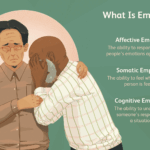




Sympathy vs empathy represents a fundamental distinction in how humans respond to each other’s suffering. Sympathy is a feeling for someone from a caring distance—acknowledging their pain while remaining safely outside it. Empathy is feeling with someone—stepping directly into their...
Layout A (with pagination)
Lacking empathy refers to a diminished or absent capacity to recognise, understand, or share the feelings and perspectives of others. This absence exists on a spectrum, ranging from occasional difficulty in specific contexts to a persistent trait affecting relationships and social...
Intuitive empathy refers to a form of empathy where understanding is received through instinct and perception rather than conscious reasoning or direct emotional sharing. It combines the capacity to sense others’ feelings with heightened intuition, often described as a “sixth...
Emotional empathy is the instinctive capacity to physically and directly feel what another person is experiencing. It is the heart’s automatic resonance—tears forming when a friend cries, joy rising when a loved one succeeds, anxiety tightening your chest when someone else is afraid...
Compassionate empathy is the deepest and most complete form of empathy—the capacity to understand another’s feelings, share in their emotional experience, and feel moved to offer help. It integrates cognitive understanding, emotional resonance, and compassionate action into a...