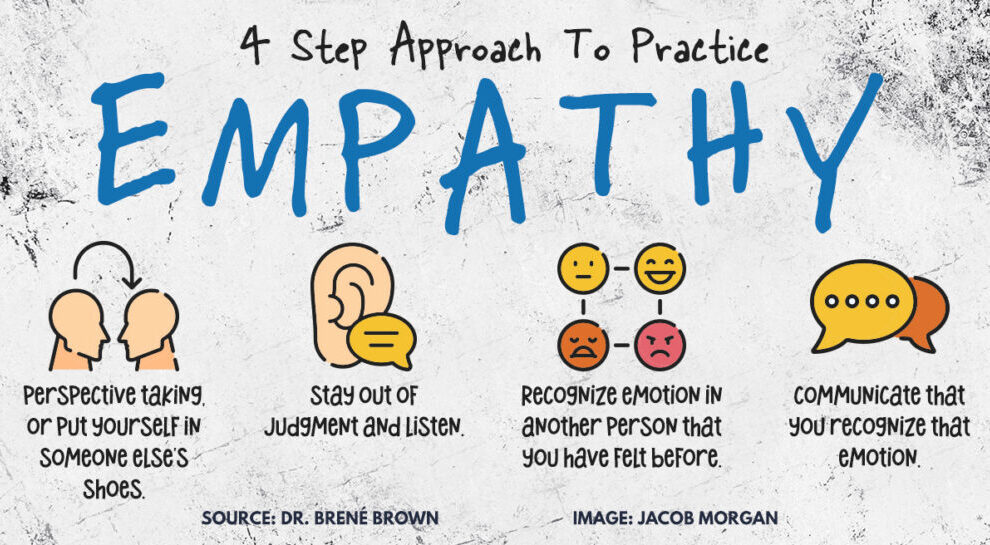




Empathy and forgiveness are deeply intertwined psychological processes that enable relationships to endure after harm occurs. Forgiveness involves releasing revenge and avoidance toward a transgressor. Empathy—understanding and sharing another’s emotional state—serves as the...
Layout A (with pagination)
Empathy assessment refers to the systematic measurement of an individual’s capacity to understand, share, and respond to the emotions of others using validated psychological instruments. These tools translate the abstract quality of empathy into quantifiable data for clinical...
Empathy for kids is the developing capacity of children to recognise, understand, and share the feelings of others. It begins in infancy—when babies cry in response to other babies crying—and continues to unfold throughout childhood. Empathy involves understanding that others have...
Empathy in self-awareness refers to the fundamental relationship between understanding one’s own inner world and the capacity to comprehend the feelings of others. Self-awareness provides the internal foundation upon which genuine empathy is built. As one analysis explains, “A...
Empathy in meditation refers to the intentional cultivation of the capacity to understand, share, and respond compassionately to the emotions of others through contemplative practice. Meditation serves as a training ground for the mind, strengthening the neural circuits that underlie...