
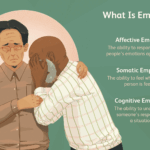
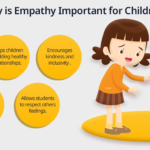




Compassion vs empathy represents a crucial distinction in how humans respond to suffering. Empathy is the capacity to feel what another feels—to share their emotional state. Compassion adds the desire to relieve that suffering, moving beyond shared feeling into action. As researcher Paul...
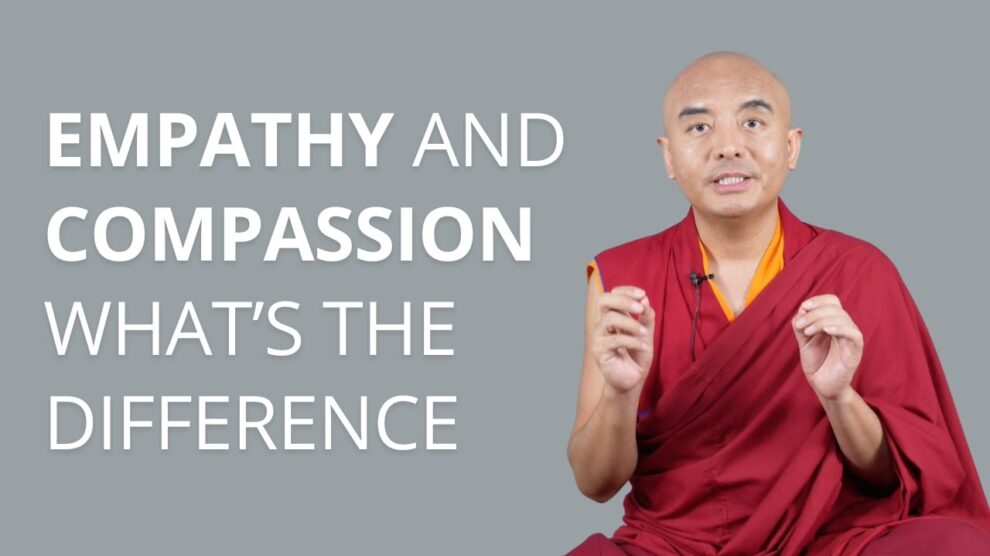
Layout A (with pagination)
Radical empathy is a concept developed by political scientist Terri Givens that moves beyond simply understanding another person’s feelings to actively working for change. It integrates both emotional empathy—feeling what another feels—and cognitive empathy—understanding how another...
In behaviour science, empathy is formally conceptualised as a complex, multi-dimensional construct that serves as a cognitive and emotional bridge connecting individuals and promoting prosocial behaviour. It enables people to accurately recognise, comprehend, and share the...
Sympathy is the feeling of pity, sorrow, or concern for someone else’s misfortune or suffering. It involves acknowledging another’s pain from a caring distance rather than sharing in it directly. Sympathy reaches out with comfort while maintaining emotional separation. As...
In psychology, an empath is understood as an individual who possesses a heightened capacity for empathy, to the extent that they can actually absorb and internalise the emotions and physical sensations of others. This goes beyond the typical human ability to understand and share feelings;...