Selective empathy is the phenomenon whereby individuals direct their empathic response toward certain people or groups while withholding it from others, often based on moral judgments, group identity, or socio-cultural context. Contrary to the idealised notion of empathy as an...
Layout A (with pagination)
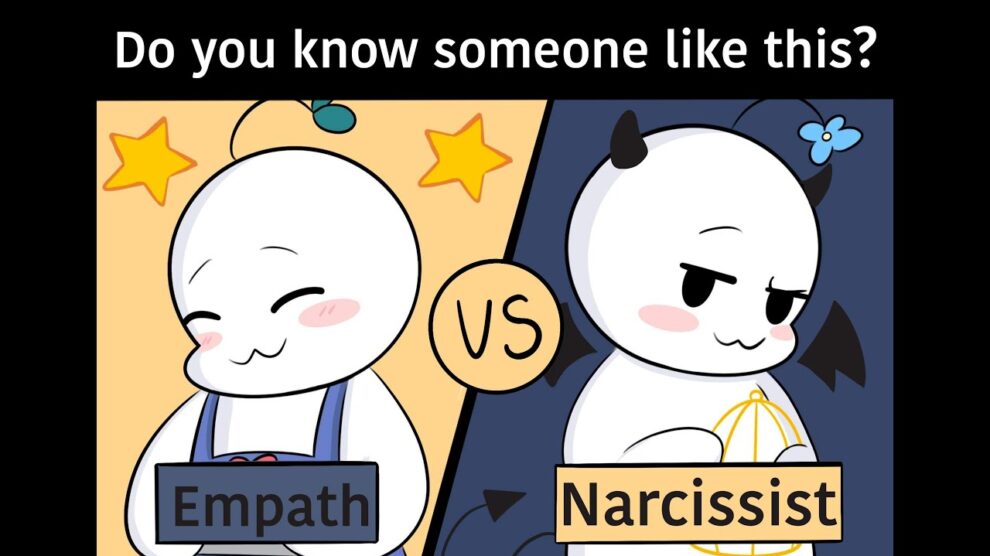
The relationship between empaths and narcissists represents a classic toxic dynamic. Empaths possess heightened sensitivity to others’ emotions, naturally absorbing feelings and seeking to help. Narcissists crave admiration and validation. This creates a relationship where...
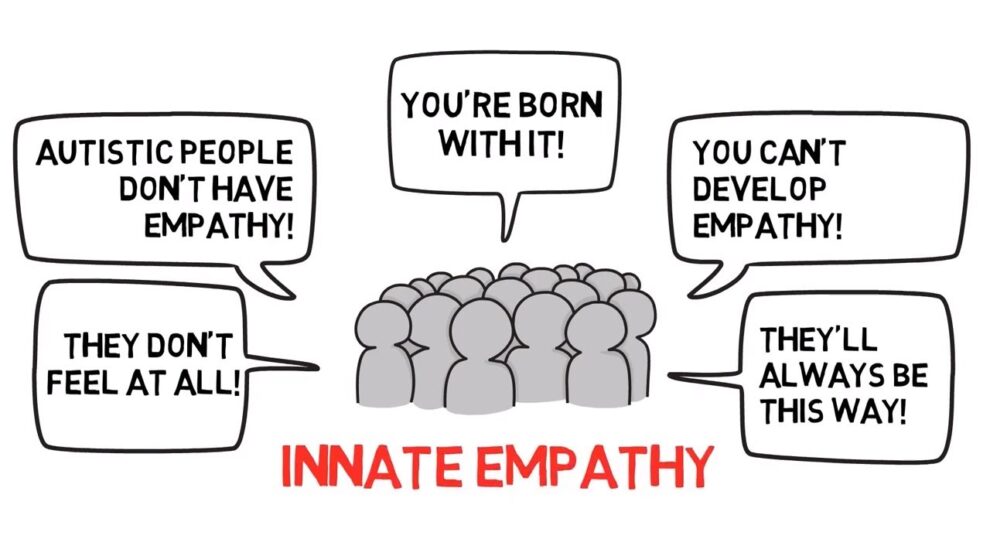
The relationship between empaths and autism challenges long-held assumptions about empathy deficits. While traditional models suggested autistic people lack empathy, contemporary research reveals a far more complex picture. Autistic individuals often experience empathy differently—not as...
Brené Brown’s empathy represents one of the most influential contemporary frameworks for understanding human connection. As a research professor, Brown has spent decades studying vulnerability, shame, and empathy. She defines empathy as “the skill to tap into our own...
Dark empathy is a psychological construct describing individuals who possess both high levels of dark triad traits—narcissism, Machiavellianism, and psychopathy—alongside elevated empathy. This combination challenges the traditional view that dark traits inherently involve empathy...