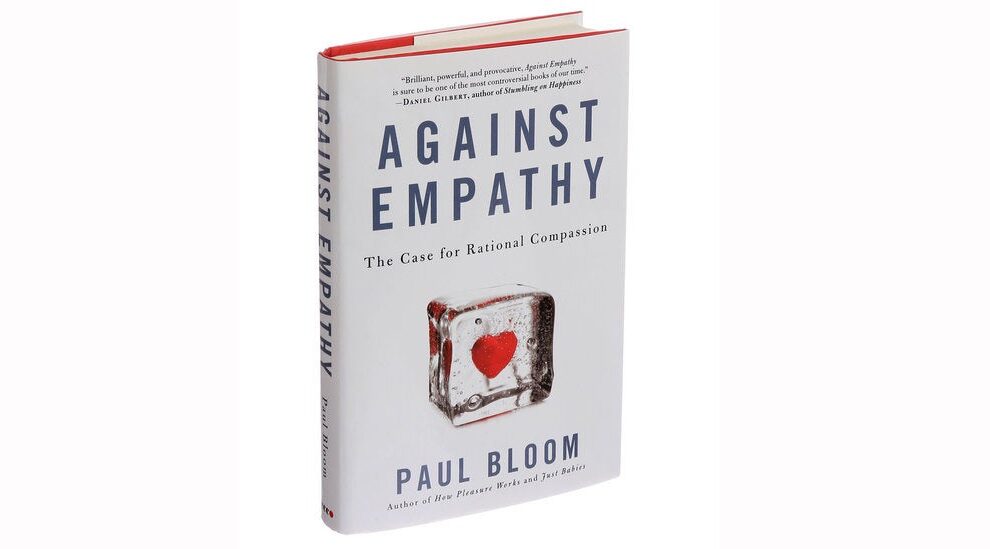
The case against empathy is a provocative argument advanced by psychologist Paul Bloom in his book Against Empathy. It challenges the assumption that empathy is an unqualified moral good. Bloom argues that emotional empathy—feeling what others feel—is a poor guide for moral decisions and...
Layout A (with pagination)
Someone with no empathy is an individual who lacks the fundamental capacity to recognise, understand, or share the feelings and perspectives of others. This absence is not merely occasional insensitivity but a persistent inability to connect with others’ emotional experiences. As...
A person who lacks empathy is someone with a significantly diminished or absent capacity to recognise, understand, or share the feelings and perspectives of others. This absence exists on a spectrum—from occasional difficulty in specific contexts to a persistent trait that profoundly...
Empathic words are the specific phrases and verbal expressions that convey deep understanding, validation, and connection with another person’s emotional experience. They are the practical tools through which empathy moves from internal feeling to external communication. As one...
Empathic communication is the practice of intentionally conveying to another person that you understand their feelings, perspective, and experience from their frame of reference. It moves beyond simply hearing words to actively demonstrating comprehension and care. As Carl Rogers...