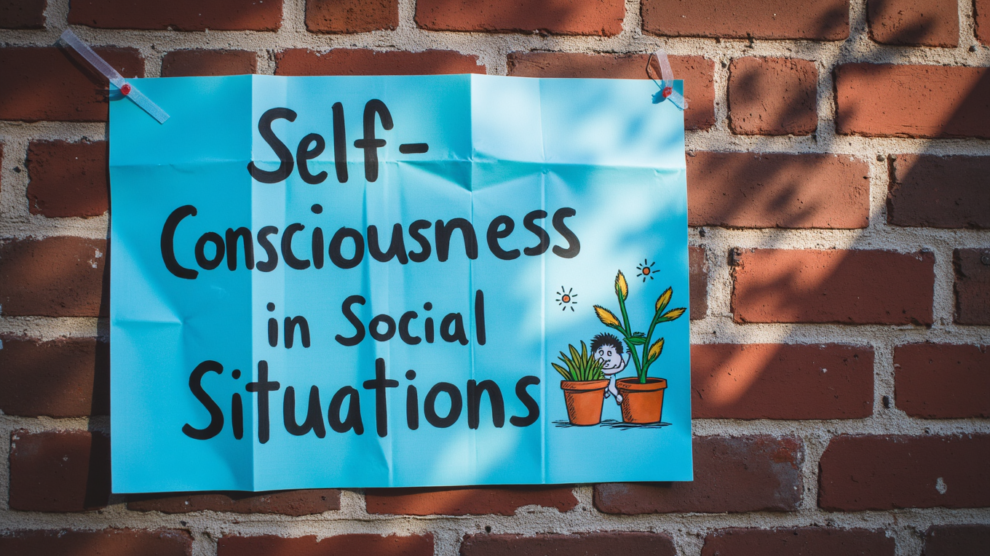





Excessive self-consciousness arises when normal self-awareness turns into constant concern about how others perceive us. Instead of fostering growth, it creates anxiety and self-doubt. Overcoming it requires developing balanced thinking, confidence, and emotional control. A practical way...

Layout A (with pagination)
Self-consciousness refers to an individual’s awareness of their own thoughts, feelings, behaviours, and appearance, particularly how others may perceive them. It is a natural and necessary aspect of human psychology that helps individuals understand themselves and navigate social...
Self-consciousness in social situations refers to an intensified awareness of oneself during interpersonal interactions. It involves careful attention to one’s appearance, speech, gestures, and overall impression on others. While a moderate degree of such awareness facilitates socially...
Self-consciousness and self-esteem are closely interconnected dimensions of personality that shape how individuals perceive and value themselves. Self-consciousness involves awareness of one’s thoughts, appearance, and social image, whereas self-esteem reflects one’s overall sense of self...
Improving self-consciousness entails refining excessive or distressing self-focus into balanced and constructive self-awareness. Although self-consciousness can generate insecurity and social discomfort, when properly regulated, it becomes a powerful mechanism for personal insight...