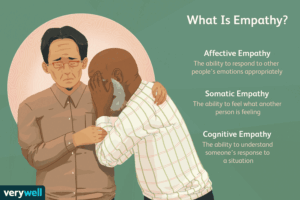
Social anxiety awareness refers to understanding the nature, symptoms, causes, and impact of social anxiety disorder. Increasing awareness helps reduce stigma, encourage early intervention, and promote empathy toward individuals experiencing social fear and avoidance.
Social anxiety disorder involves intense fear of being judged, embarrassed, or negatively evaluated in social or performance situations. According to the American Psychiatric Association, it is one of the most common anxiety disorders and often begins during adolescence. Symptoms may include excessive worry, avoidance of social events, sweating, trembling, and rapid heartbeat.
Cognitive theory, developed by Aaron T. Beck, explains that negative thought patterns—such as expecting rejection or humiliation—maintain social anxiety. Awareness campaigns emphasise that social anxiety is not simply shyness but a treatable mental health condition. Education in schools, workplaces, and communities can encourage individuals to seek counselling, therapy, or support groups without fear of judgment. This discussion connects with mental health education, stigma reduction, emotional intelligence, adolescent development, workplace well-being, and public health initiatives.
Social anxiety awareness plays a vital role in promoting understanding, compassion, and early treatment. By recognising symptoms and encouraging open discussion, society can support individuals in seeking help and building confidence for healthier social engagement.