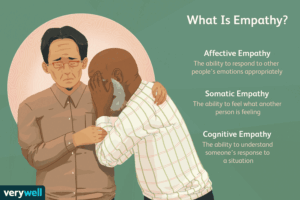






Empathy in medicine is the capacity of clinicians to understand, acknowledge, and sensitively respond to patients’ emotional experiences, perspectives, and concerns. It is increasingly recognized not as a “soft skill” but as a core clinical competency essential for effective practice. As one physician educator notes, “The patient will never care how much you know, until they know how much you care” .
The impact of empathy in medicine is supported by substantial evidence. Empathic communication is associated with improved patient satisfaction, increased adherence to treatment, and fewer malpractice complaints . Recent research demonstrates that high physician empathy significantly increases patient enablement (feeling able to cope with illness) and symptom improvement . For physicians themselves, higher empathy is linked to decreased burnout, personal distress, and depression, along with increased life satisfaction. A 2025 study of oncologists found that secure attachment combined with high cognitive empathy resulted in lower compassion fatigue and higher compassion satisfaction.
What makes empathy in medicine particularly complex is the historical tension between “detached concern” and emotional engagement . Traditional medical training promoted emotional distance to maintain objectivity, but contemporary neuroscience demonstrates that affective engagement contributes to cognitive accuracy . Physicians face significant barriers: a 2025 meta-analysis found physicians respond empathically to fewer than half of patients’ emotional cues, with oncology response rates as low as 35% . This gap contributes to empathic decline during medical training, attributed to curriculum pressures, burnout, and lack of emotional support . However, research confirms that empathy can be taught and sustained through targeted educational interventions .
Empathy in medicine transforms clinical encounters from transactional exchanges into healing relationships, improving outcomes for both patients and clinicians—yet protecting this capacity requires addressing systemic barriers and recognizing that sustainable empathy demands both individual skill and organizational support .