



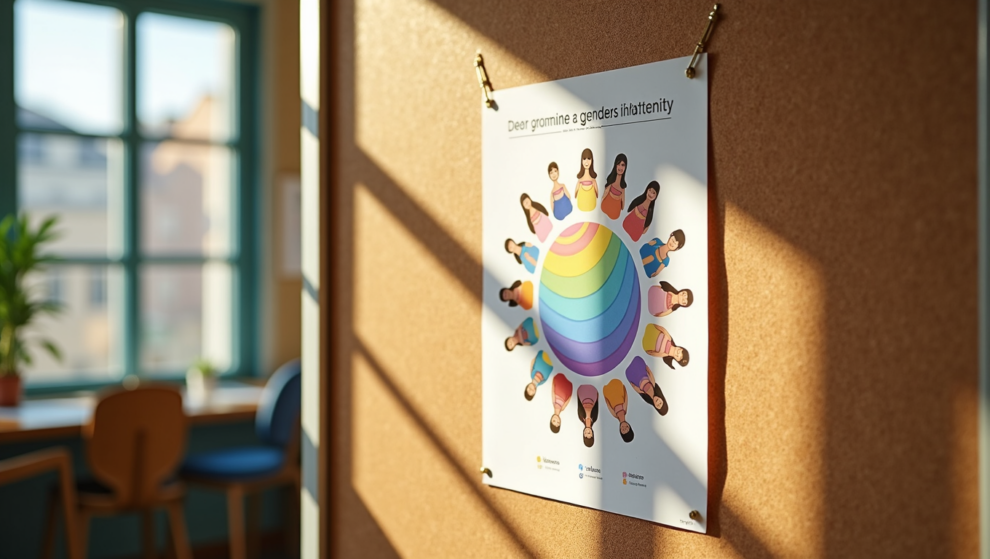


Gender awareness is the ability to view society from the perspective of gender roles and understand how these roles shape needs, experiences, and opportunities. It involves recognising that our perceptions are filtered through deeply internalised gendered assumptions we rarely question. This awareness is fundamental to understanding how power and privilege are distributed unequally.
Gender awareness requires recognizing that categories like male/female do not fully capture gender’s complexity. It involves understanding that we express our gendered selves in numerous ways, affecting how we are perceived. Gender is key in defining the power and possibilities people have in any society, directly affecting progress toward equality and freedom from discrimination.
Research reveals shifting perspectives: only 30% of men under 35 feel “very masculine” versus 41% of older men. Education matters—44% of men without qualifications feel very masculine compared to 31% with degrees. Those with less rigid gender identities are consistently the most supportive of gender equality and LGBTQ+ rights. Gender awareness can be promoted through education, workshops, and media representation.
Gender awareness is the foundation for building an equitable world—the capacity to see beyond ingrained stereotypes and recognise how gender shapes every aspect of social life, enabling genuine comprehension of how different people experience their place in society. dation for building a more equitable world—the capacity to see beyond ingrained stereotypes, recognize how gender shapes every aspect of social life, and understand that true equality requires not just tolerance but genuine comprehension of how different people experience their gendered selves, their rights, and their place in society.