



Empathy in education is the intentional practice of understanding and valuing students’ perspectives, emotions, and experiences within the learning environment. It recognises that education is not just about transferring knowledge but about nurturing whole human beings. When empathy...
Layout A (with pagination)
Empathy in teaching is the practice of understanding and responding to students’ emotional and academic needs from their perspective. It moves beyond delivering content to connecting with learners as whole human beings. As Paulo Freire wrote, “Education changes people. People...
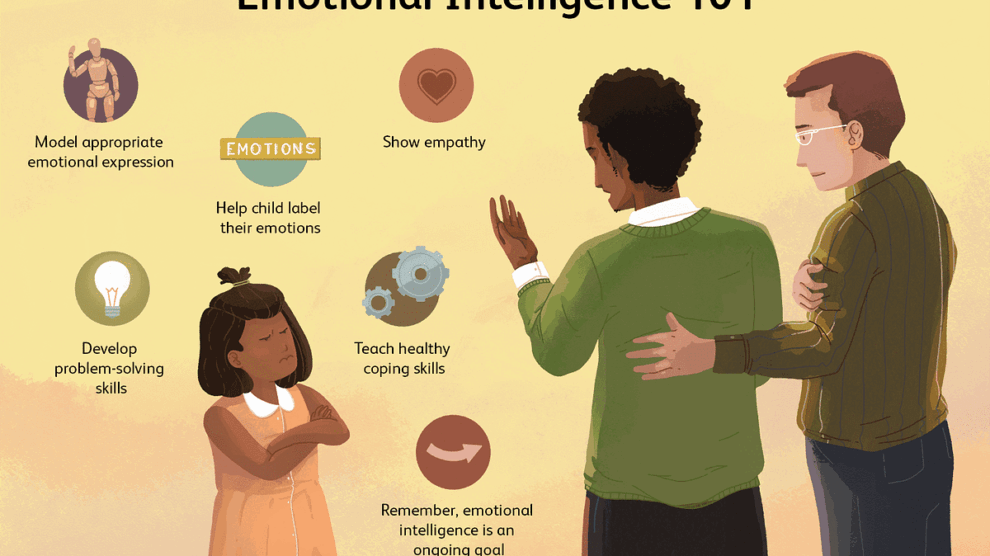
Empathy and emotional intelligence are closely connected skills that help individuals understand, manage, and respond to emotions—both their own and those of others. Empathy is the ability to put yourself in someone else’s situation and genuinely understand how they feel. Emotional...
Sympathy vs empathy represents a fundamental distinction in human connection. Sympathy is a feeling for someone from a distance—acknowledging their pain while remaining safely outside it. Empathy is feeling with someone—stepping directly into their emotional experience. As author Brené...
Empathy in parenting is the practice of understanding and validating a child’s emotional experience from their perspective. It means seeing the world through their eyes, not just through adult expectations. This approach builds trust and emotional security. As child psychologist...