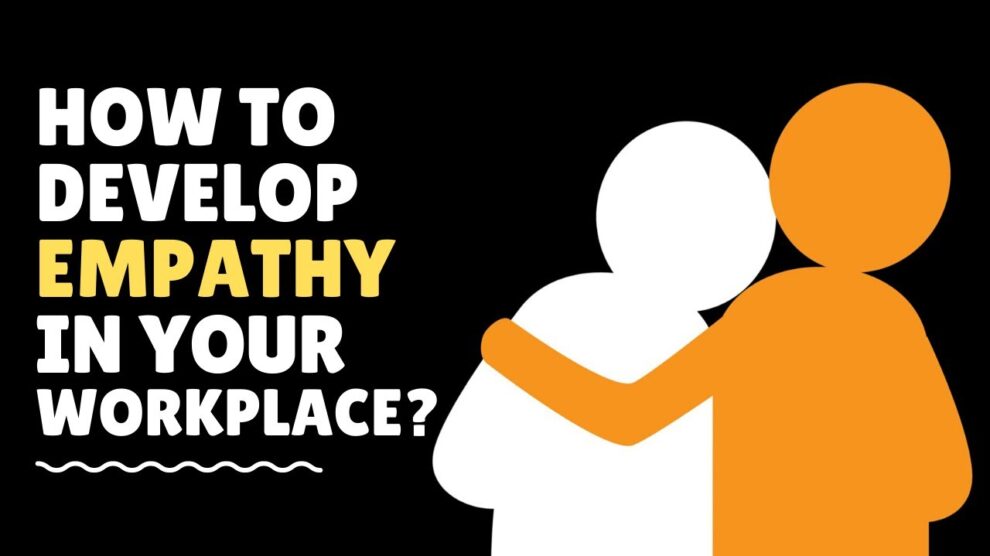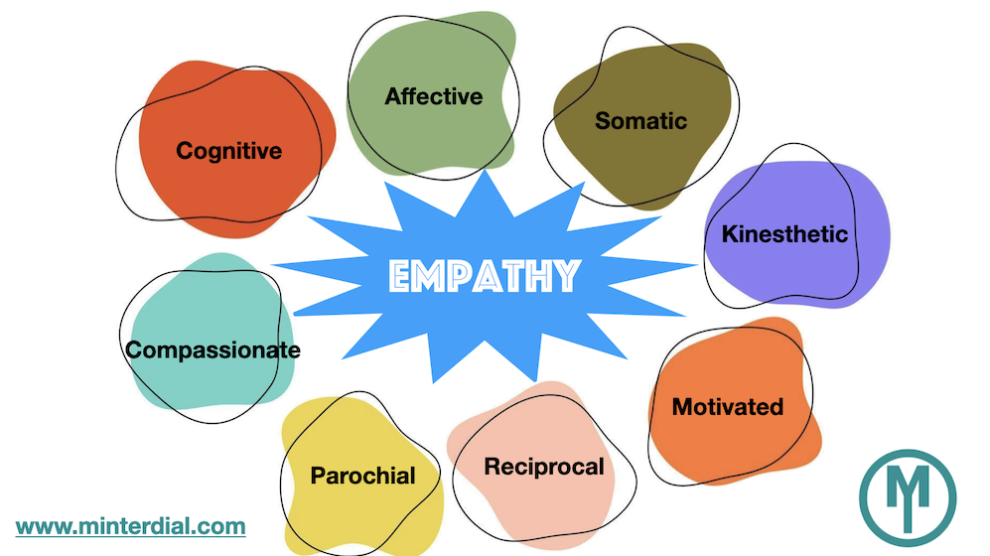




Empathy in leadership is the ability of a leader to understand, acknowledge, and appropriately respond to the emotions and perspectives of team members. It transforms leadership from positional authority into genuine influence. Empathy is not merely a soft skill—it is a strategic...

Layout A (with pagination)
Empathy in management improves workflow by creating a work environment where employees feel understood, respected, and supported. When managers take time to listen to their team’s concerns and challenges, it reduces stress and builds trust. This encourages employees to communicate openly...
Empathy in business can significantly increase productivity by improving communication, trust, and employee engagement. When leaders understand and respect the feelings and challenges of their employees, it creates a supportive work environment. Employees are more likely to share ideas...
Empathy development in children is the gradual process through which young humans learn to recognise, understand, and respond to the feelings of others. This capacity unfolds naturally but requires nurturing from caregivers and the environment. Empathy does not appear suddenly—it grows in...
Building empathy in kids is the intentional process of nurturing their capacity to understand and care about others’ feelings. Empathy is not simply present at birth—it develops through guidance, example, and practice. Parents and educators play crucial roles in this growth. As...