





Understanding Social Anxiety Disorder: Symptoms, Causes, and Effective Treatments
In today’s fast-paced and socially connected world, many people experience nervousness in certain situations. However, when the fear of social situations becomes intense, persistent, and interferes with daily life, it may indicate social anxiety disorder. Also known as social phobia meaning a deep and overwhelming fear of being judged, embarrassed, or humiliated in social settings, this condition affects millions worldwide. Increasing social anxiety awareness is essential so that individuals can recognize the condition early and seek proper support.
What Is Social Anxiety Disorder?
Social anxiety disorder is a mental health condition characterized by extreme anxiety in social or performance situations. Individuals often worry excessively about being negatively evaluated by others. According to global social anxiety statistics, this disorder is one of the most common anxiety disorders, affecting both adolescents and adults.
The difference between shyness and social anxiety lies in intensity and impact. While shyness is a personality trait that may cause mild discomfort, severe social anxiety disorder significantly disrupts work, school, and relationships.
Common Social Anxiety Symptoms
Recognising social anxiety symptoms is the first step toward recovery. Symptoms may be emotional, physical, or behavioural. Emotional symptoms include intense fear before social events, constant worry about embarrassment, and avoidance of interactions. Physical symptoms may involve sweating, trembling, rapid heartbeat, nausea, or blushing. Behavioural signs often include avoiding eye contact, skipping events, or withdrawing from conversations.
The signs of social anxiety disorder can appear in specific situations such as meetings, presentations, or parties. For example, public speaking anxiety and other performance anxiety symptoms are common forms where individuals fear speaking or performing in front of others.
Causes of Social Anxiety
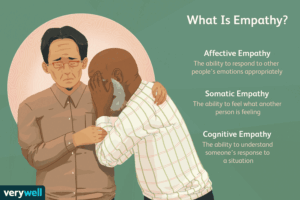
Understanding the causes of social anxiety can help reduce stigma and encourage empathy. Experts believe multiple factors contribute to this condition:
- Genetics: A family history of anxiety disorders may increase risk.
- Brain Structure: An overactive amygdala can heighten fear responses.
- Environmental Factors: Bullying, criticism, or traumatic social experiences.
- Learned Behaviour: Observing anxious behaviours in caregivers.
Often, these factors interact rather than acting alone.
Social Anxiety in Teenagers and Social Anxiety in Adults
Social anxiety in teenagers is particularly common due to peer pressure, academic stress, and the desire for social acceptance. Teens may avoid school presentations, social gatherings, or extracurricular activities. When left untreated, it can affect academic performance and self-esteem.
Similarly, social anxiety in adults can interfere with career growth and personal development. Adults may struggle with networking, job interviews, or leadership roles. Social anxiety at work may lead to missed promotions or difficulty collaborating with colleagues. Likewise, social anxiety in school can hinder classroom participation and learning opportunities.
Social Anxiety and Relationships
One significant impact of this condition is on personal connections. Social anxiety and relationships often become complicated because individuals may fear rejection or judgment. They might avoid dating, group outings, or deep conversations. Over time, isolation can contribute to loneliness and even social anxiety and depression, as prolonged anxiety may lower mood and self-confidence.
Identifying Social Anxiety Triggers
Recognising social anxiety triggers is crucial for effective management. Common triggers include:
- Meeting new people
- Public speaking
- Eating in public
- Being the centre of attention
- Job interviews
- Authority figures
Tracking triggers helps individuals develop targeted coping strategies.
Diagnosis and Social Anxiety Test Online
If someone suspects they may have the condition, taking a social anxiety test online can provide initial insight. These tests are not diagnostic tools but can indicate whether professional evaluation is needed. A licensed mental health professional can provide a formal diagnosis through interviews and assessment tools.
Effective Treatment for Social Anxiety
The good news is that treatment for social anxiety is highly effective. Treatment options may include therapy, medication, or a combination of both.
Therapy for Social Anxiety
One of the most recommended approaches is cognitive behavioural therapy for social anxiety. This evidence-based therapy helps individuals identify negative thought patterns and replace them with realistic, balanced thinking. It also involves gradual exposure to feared situations, helping reduce avoidance behaviour.
Social anxiety counselling can provide a safe space for discussing fears, practising social skills, and building confidence.
Medication for Social Anxiety Disorder
In some cases, doctors may prescribe medication for social anxiety disorder. Common options include selective serotonin reuptake inhibitors (SSRIs) or other anti-anxiety medications. Medication is typically combined with therapy for the best results and should always be supervised by a healthcare professional.
Practical Coping Strategies for Social Anxiety
Beyond professional treatment, there are several coping strategies for social anxiety that individuals can practice daily:
- Deep breathing exercises
- Mindfulness meditation
- Gradual exposure to feared situations
- Positive self-talk
- Journaling anxious thoughts
- Practising social interactions in safe settings
These techniques can help reduce immediate anxiety and build long-term resilience.
How to Overcome Social Anxiety
Learning how to overcome social anxiety requires patience and consistent effort. Start by setting small, achievable goals—such as greeting a colleague or asking a question in class. Celebrate small successes and avoid harsh self-criticism.
Participating in social anxiety support groups can also be beneficial. Sharing experiences with others facing similar challenges reduces isolation and builds encouragement.
Social Anxiety Self-Help Tips
Several effective social anxiety self-help tips promote gradual improvement:
- Prepare conversation starters in advance
- Focus attention outward instead of on yourself
- Limit caffeine intake
- Get adequate sleep
- Exercise regularly
- Practice relaxation techniques
Over time, these habits support emotional balance and confidence.
Managing Social Anxiety Naturally
Some individuals prefer managing social anxiety naturally through lifestyle adjustments. Regular physical activity, balanced nutrition, meditation, and yoga can reduce stress levels. Building strong support networks and maintaining consistent routines also contribute to emotional stability.
However, natural approaches should complement—not replace—professional treatment when symptoms are severe.
The Importance of Early Intervention
Ignoring symptoms may allow anxiety to intensify into severe social anxiety disorder. Early intervention improves outcomes significantly. The sooner individuals seek help, the easier it becomes to prevent complications such as academic decline, job loss, or chronic depression.
Parents, teachers, and employers play a vital role in promoting awareness of social anxiety. Encouraging open conversations about mental health reduces stigma and makes it easier for individuals to seek assistance.
Final Thoughts
Social anxiety disorder is more than simple nervousness—it is a manageable but serious condition that affects daily life, relationships, and career growth. Understanding the social phobia meaning, recognizing social anxiety symptoms, and learning about the causes of social anxiety empower individuals to take action.
With effective therapy for social anxiety, including cognitive behavioural therapy for social anxiety, appropriate medication for social anxiety disorder, and practical coping strategies for social anxiety, recovery is entirely possible. Whether facing public speaking anxiety, navigating social anxiety at work, or dealing with social anxiety in school, support and treatment can make a meaningful difference.
By increasing social anxiety awareness, encouraging open discussion, and providing accessible resources such as social anxiety support groups and professional social anxiety counselling, society can help individuals move from fear toward confidence and connection. No one has to face social anxiety alone—help is available, and improvement is achievable with the right steps forward.